Jump to:
As the days lengthen and spring emerges, gardeners think about the best ways to care for their plants. Greenhouses are brilliant for spring gardening because they let you start earlier, even when the weather can’t make its mind up. From germinating seeds to hardening off seedlings, a greenhouse gives plants a more stable environment while the garden is still warming up. This guide breaks down when it’s most useful — and whether you actually need one.
How a Greenhouse Keeps Your Plants Safe in All Weathers
In the UK, spring brings changing temperatures and weather patterns. Gardeners must adapt to chilly nights and warmer days, which can stress young plants. This is where the garden greenhouse becomes a valuable asset. It provides a stable, nurturing atmosphere and shields plants from abrupt temperature changes.
Gardeners can manage the temperature inside, allowing plants to grow longer and healthier.
Getting the Best Results from Early Spring Planting
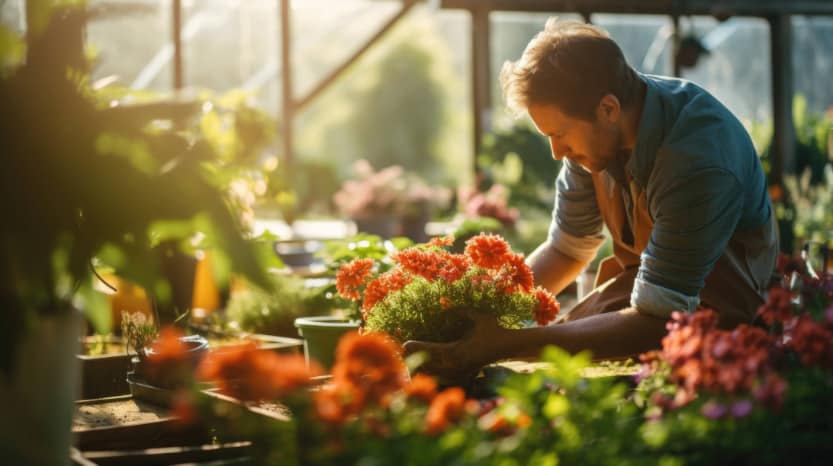
Plants have different needs. Tomatoes, peppers, and basil thrive in warmth and sunlight. Ferns, hostas, and some mosses prefer cooler, shaded conditions. Understanding these preferences is key to a successful garden.
A greenhouse allows early seed starting in ideal conditions. You can control light, temperature, and humidity to suit each plant. Plants are also stronger and healthier, ready for the outdoors at the perfect moment.
Prevent Frost Damage
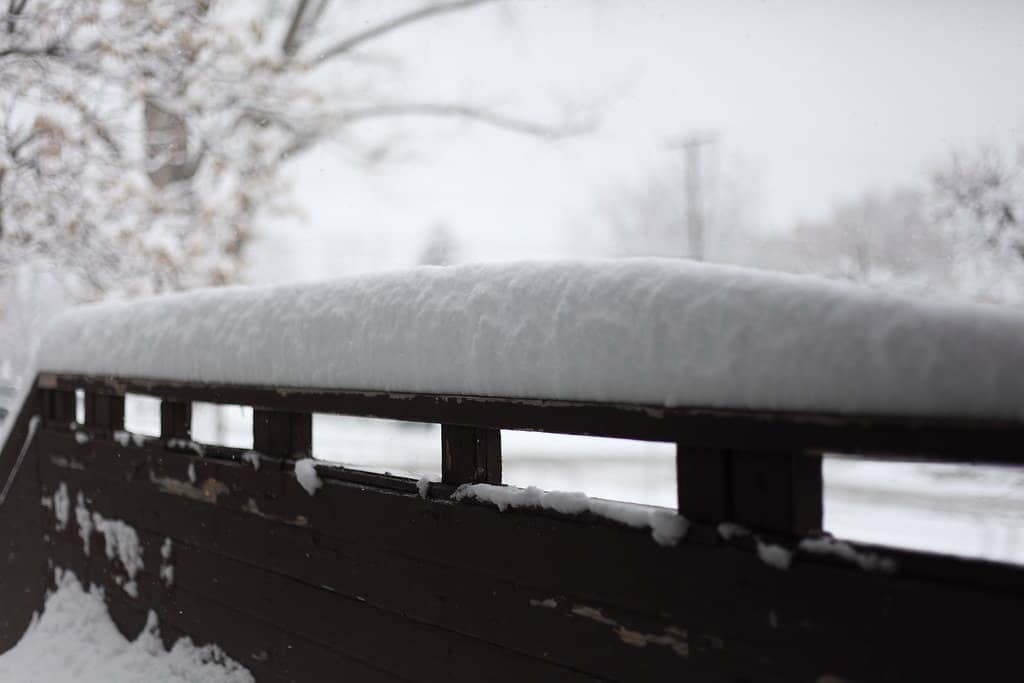
Late spring frosts pose a potential threat to budding plants. A greenhouse protects these vulnerable plants by trapping heat on cold nights. Even a quality polycarbonate greenhouse can act as a protective bubble. You can rely on it to keep your plants safe and healthy until outdoor conditions stabilise.
Shop Polycarbonate Greenhouses
Pest and Disease Control
The enclosed structure of a wooden greenhouse helps prevent pests from reaching your plants. Inside, you can monitor for disease more effectively and reduce the risk of infestations. This controlled environment supports healthier growth and higher success rates.
Extended Growing Season
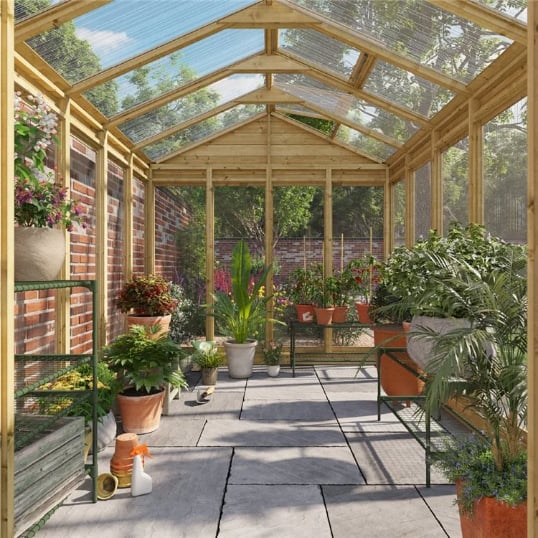
A greenhouse opens the door to an extended growing season. You can plant earlier in spring and continue well into autumn. This gives you more time for crops to mature and produce yields. It also allows experimentation with plant varieties that might not survive outdoors. An opportunity to add diversity to your garden.
When You Don’t Need a Greenhouse
Not every spring plant needs a greenhouse. Hardy vegetables tolerate cooler outdoor temperatures and can be sown into the soil. This includes radishes, spinach, and peas. Similarly, annual flowers such as pansies and marigolds can handle short-term cold spells.
A greenhouse may not be essential if your goal is a shorter growing season. The same goes if you’re planning crops suited to outdoor conditions.
You can still enjoy a productive spring garden without investing in one. Speaking of productivity, take the chance to get busy with these prep and upkeeps:
Checklist to Prepare Your Shed for Spring Gardening
Round-up
To sum up, a greenhouse is a definite yes for spring gardening. It provides the best environment, early planting benefits, and protection against problems. This makes it a valuable investment for both experienced and new gardeners. So, as you start your spring gardening, remember that a greenhouse can help your garden thrive.
Complement your gardening journey with a reliable potting shed for added storage.
Up next on your reading list: How to Set Up Your Greenhouse for Success